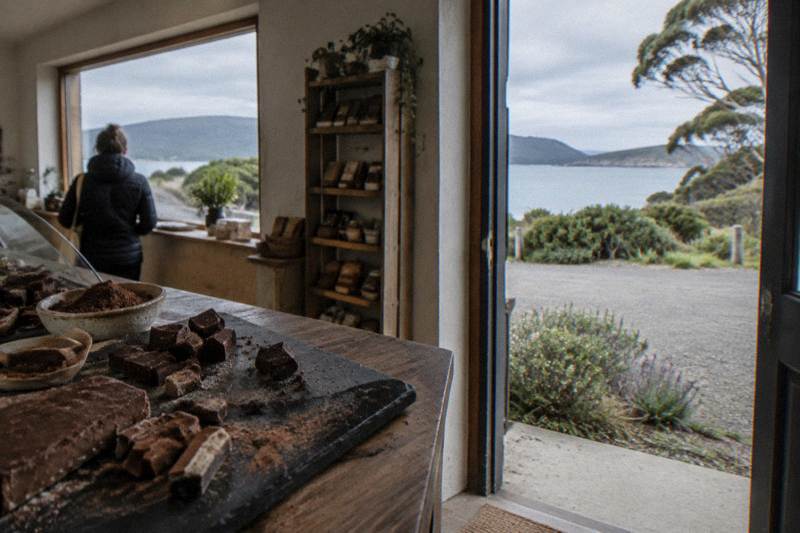
Free Things To Do On Bruny Island
Bruny Island has genuinely free experiences, but the island itself is not free to reach. Here is what costs nothing once you are there, what quietly costs money, and how to keep a day under budget.
Short answer
The free things to do on Bruny Island are Adventure Bay beach, The Neck viewing platform at dusk, the grounds of Cape Bruny Lighthouse and the roadside lookouts along the main road. None of those carry an entry charge. The ferry crossing and a parks pass for South Bruny National Park are separate costs and are never free, so budget for both before you go.
Bruny Island attracts budget travellers with a promise of wild coastline, empty beaches and wildlife that does not charge admission, and most of that promise holds. What the brochures skip over is the arithmetic of getting there: the island sits across a vehicle ferry from Kettering, the ferry is a paid service, and the southern end of the island lies inside a national park that requires a pass. An honest budget guide has to start with those two line items before it lists a single free beach.
The good news is that the free list is real and substantial.
What Is Actually Free On Bruny Island?
The genuinely free things on Bruny Island are Adventure Bay beach, The Neck viewing platform at dusk, the grounds of Cape Bruny Lighthouse and the roadside lookouts scattered along the island's main road. None of these charge an entry fee, and all are accessible without a tour booking. Together they fill a full day for a visitor who arrives with a vehicle and their own food.
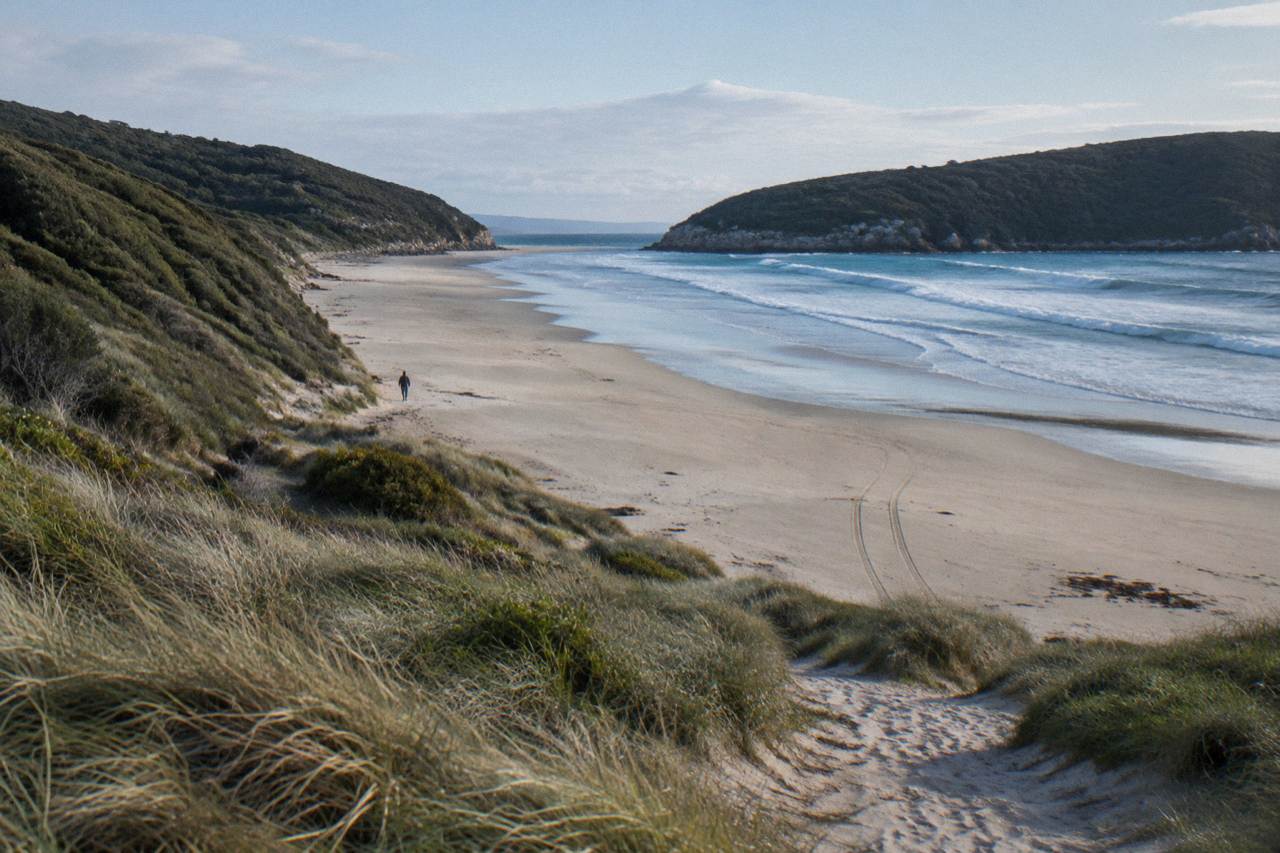
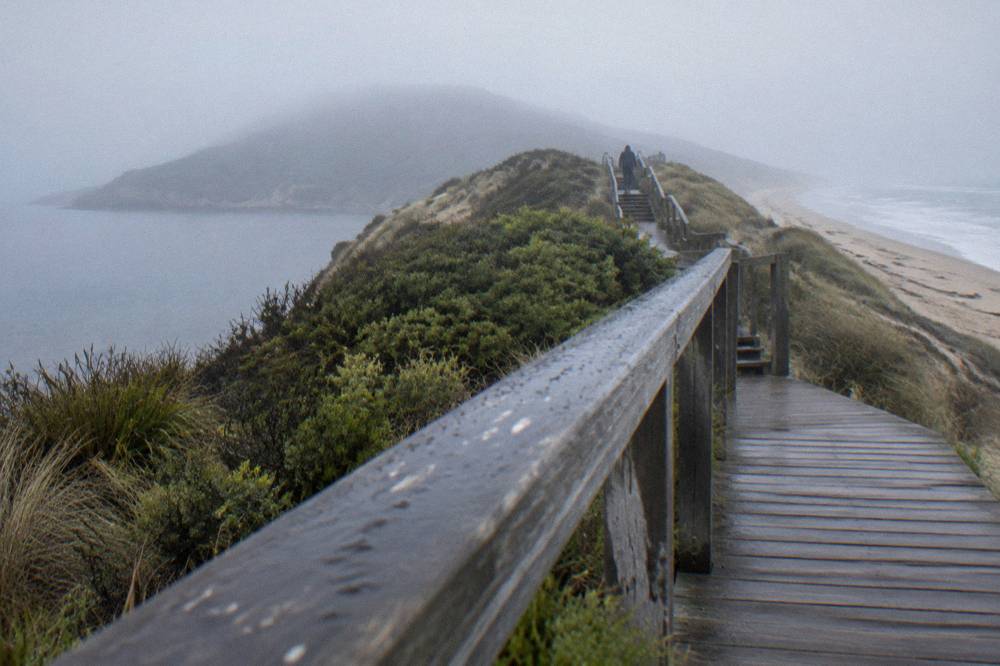
Adventure Bay is the island's most forgiving beach: a long curve of sand at the eastern side of South Bruny National Park that the park's own pages describe in passing, with no entry gate and no fee. The Neck, the narrow isthmus joining north and south Bruny, carries a timber viewing platform at the Bruny Island Neck Conservation Area. Parks Tasmania lists it as a place where shearwaters and little penguins can be seen at dusk, and the platform itself is free to climb at any hour.
The grounds of Cape Bruny Lighthouse are open any time, according to the park page, with vehicle access between 9.30 am and 4.30 pm. Climbing inside the 1838 tower is a paid, guided affair, but standing below it on the cliff top costs nothing. Roadside pull-offs along the main road, from the lookouts above The Neck to the quiet bays of the north, round out the free list.
Which Costs On Bruny Island Are Never Free?
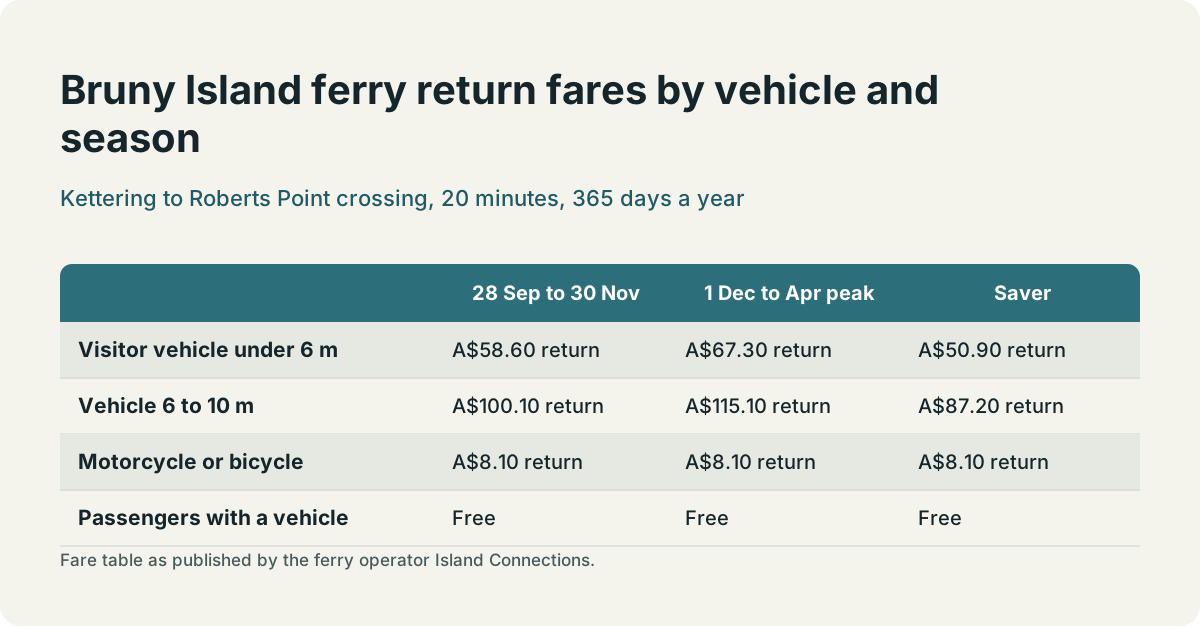
The ferry crossing and the South Bruny National Park pass are never free, and any guide claiming otherwise is wrong. A visitor vehicle under 6 m pays from A$50.90 to A$67.30 return depending on fare type and season, and a 24-hour vehicle parks pass costs A$49.15. Walk-on and bicycle crossings are cheaper, but the crossing itself is always a paid commercial service.
The ferry is run by Island Connections (formerly SeaLink), crossing between Kettering and Roberts Point in 20 minutes, 365 days a year. Hobart to Kettering is a 35 to 40 minute drive. Departures run every 20 minutes from 6.10 am to 7.00 pm from Kettering, and the service works on a queueing system: a pre-purchased ticket is valid for the next available ferry, not a specific departure time. All tickets are return fares valid for 365 days, and passengers including the driver travel free with a vehicle, which softens the cost for a car full of people. Full fare detail lives on the operator's ferry fares page.
| Crossing cost | 28 Sep to 30 Nov | 1 Dec to Apr (peak, Regular only) | Saver |
|---|---|---|---|
| Visitor vehicle under 6 m | A$58.60 return | A$67.30 return | A$50.90 return |
| Vehicle 6 to 10 m | A$100.10 return | A$115.10 return | A$87.20 return |
| Motorcycle or bicycle | A$8.10 return | A$8.10 return | A$8.10 return |
| Passengers with a vehicle | Free | Free | Free |
The parks pass is the second unavoidable cost for anyone heading south. Parks Tasmania states a valid pass is required for entry to South Bruny National Park and to Cape Bruny Lighthouse. A Daily Pass covers up to 24 hours; a Holiday Pass covers up to two months and suits anyone staying longer or touring several Tasmanian parks. There is no general island entry fee, and The Neck viewing platform sits outside the pass system's confirmed requirements, but the park itself is firmly paid.
| Parks pass | Vehicle (up to 8 people) | Per person on foot, bus or cycle |
|---|---|---|
| Daily Pass, up to 24 hours | A$49.15 | A$24.55 |
| Holiday Pass, up to 2 months | A$98.35 | A$49.20 |
For a couple in one car doing the classic day loop, the ferry fare plus a day vehicle pass stack together before a single coffee is bought, and both are per-vehicle charges the pair cannot split with anyone else. That stacked, fixed cost is the real starting point for a "free" day on Bruny, and it is the reason many budget travellers weigh a guided day trip instead, a comparison our full Bruny Island cost breakdown covers in detail.
Is Adventure Bay Free To Visit?
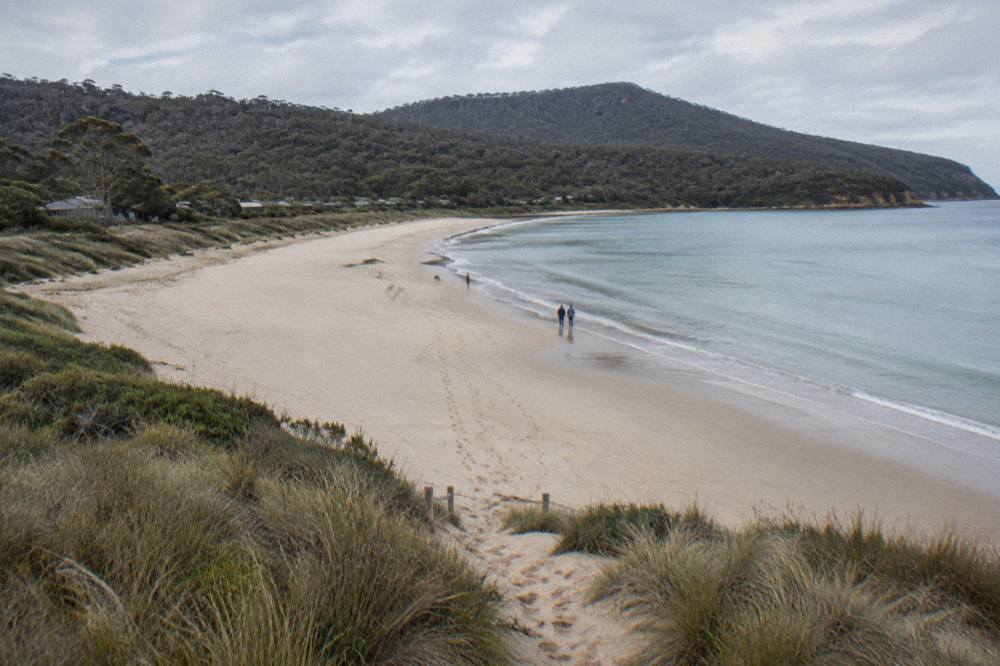
Yes, Adventure Bay beach is free to visit and has no gate, no ticket and no charge, though the wider area around it sits within reach of South Bruny National Park walks that do require a pass. The beach itself, its foreshore and the calm shallows are open to anyone. It is the island's most reliable no-cost swimming and picnic spot.
Adventure Bay faces east onto calm water, which makes it the island's family beach: gentle waves, a long walkable stretch of sand and a general store nearby for supplies. The parks page notes that beaches on the island are unpatrolled, so swimming is at your own judgment, and the Bay is no exception. Arrive early in summer and you will often share the sand with only a handful of people and the local birdlife; the island has roughly 120 recorded bird species, many of them visible from the foreshore without binoculars.
The bay also works as a free base for a self-built day. The Fluted Cape Track, one of the 60 Great Short Walks, climbs from the Adventure Bay end of the coast, but the park notes it is steep with unprotected cliff edges, and walking it inside the national park means the pass applies. The beach, the foreshore picnic spots and the water itself remain the free core of any Adventure Bay visit.
Can You See Penguins At The Neck For Free?
Yes, the viewing platform at the Bruny Island Neck Conservation Area is free to stand on, and Parks Tasmania lists it as a place where little penguins and short-tailed shearwaters can be seen at dusk. No tour is needed and no booking is taken. The platform is reached by a set of stairs from the car park on the main road.
The wildlife is wild, which means nothing is promised. Short-tailed shearwaters visit Tasmanian shores in late spring to late summer to nest, and both species use the colony at the Neck. Penguins come ashore at last light, under cover of darkness, to avoid predators. Birders who arrive an hour before dusk and wait quietly on the platform have the best odds, and even on a quiet night the isthmus view itself, a narrow ribbon of sand between two bodies of water, is worth the stop.
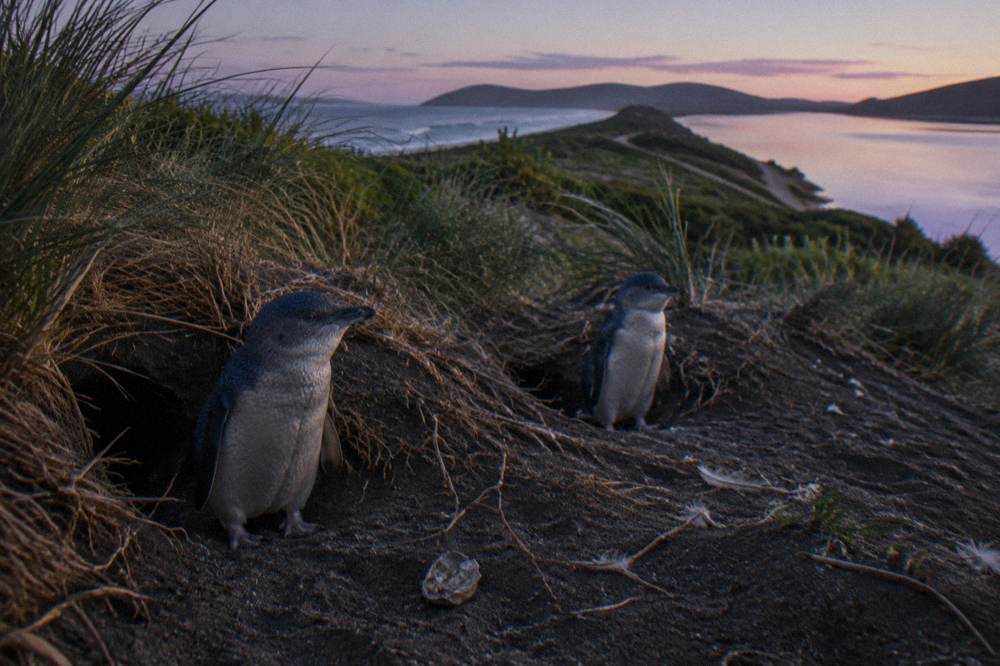
There are rules, and they matter. The state's penguin watching guidelines ask visitors to use only dim red-light torches, never pointed at the water or the birds, to leave flash cameras off the beach, to approach the viewing point from the land rather than walking the beach, and to stay quiet with minimal movement. Following them costs nothing and protects a colony that tolerates thousands of visitors a year.
Are The Cape Bruny Lighthouse Grounds Free?
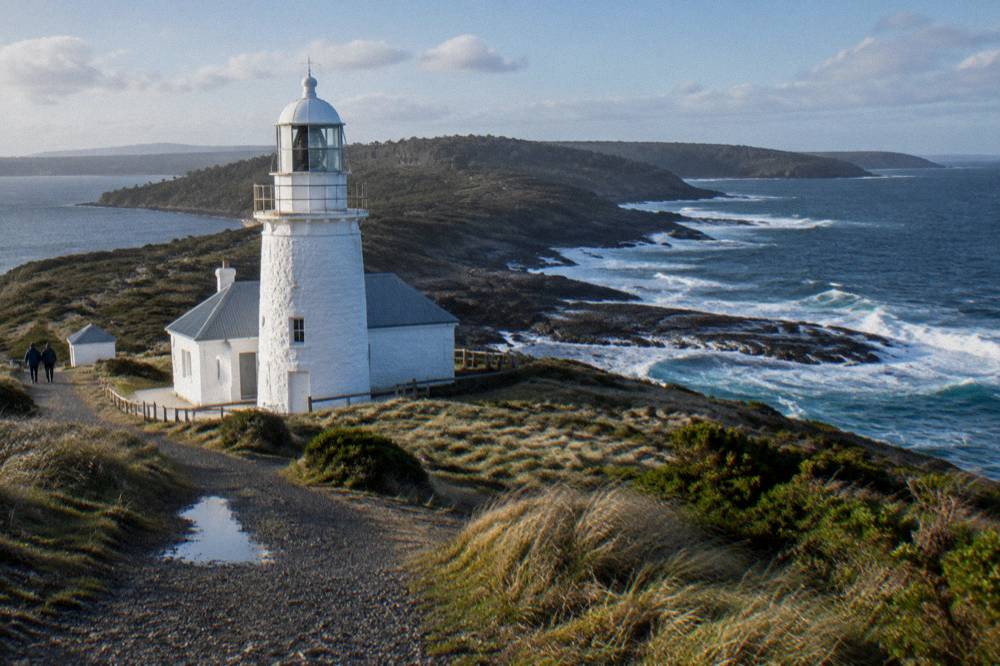
Yes, the grounds around Cape Bruny Lighthouse are open any time and cost nothing to walk, with vehicle access between 9.30 am and 4.30 pm. Only the guided climb inside the tower is paid. The park page is explicit that the grounds carry no separate charge, though a parks pass is required for the site as part of the national park.
The lighthouse was built in 1836, first lit in 1838 and last lit in 1996, and it is the only southern Tasmanian lighthouse open for tours. The drive from the ferry terminal at Roberts Point takes about 1 hour 15 minutes, most of it along the island's single main road south. The cliff-top position above the southern coast is the attraction: dolerite columns, open ocean and, on clear days, The Friars rocks offshore, where Australian fur seals haul out.
Climbing inside the tower is a different proposition. The 30-minute guided climb is booked as a tour, costs from A$25 per person and requires a parks pass on top, all per the listing. For a budget visitor, the free version, standing at the base with the whole southern coastline spread below, delivers most of the view and none of the cost.
A middle path exists for visitors who want the climb without self-driving. The Safaris lighthouse and lunch day builds the tower tour into a 10-hour small-group day from Hobart, rated 4.8 from 1003 reviews and priced from A$280 per person with hotel pickup, oysters, tastings, lunch and the Parks Pass folded in. That is not free, but against the ferry, fuel, a pass and a solo lighthouse ticket, the gap narrows more than most visitors expect.
What Free Drives And Lookouts Should You Not Miss?
The free drives worth planning around are the main road's roadside lookouts above The Neck, the bays of the north island around Dennes Point, and the gravel-side pull-offs along the southern coast road toward Cape Bruny. All are public road reserves with no charge. They suit visitors who want photographs and short stops rather than long walks.
The Neck lookout is the headline: a short climb from the car park to a platform with the isthmus laid out below in both directions. In the north, the quieter side of the island, the roads to Dennes Point and Barnes Bay run along sheltered water with scattered pull-offs, and the ferry crowd rarely makes it up there. In the south, the road between Alonnah and the lighthouse threads past white-sand bays that can be photographed from the roadside in minutes.
One practical note keeps these drives honest: the only fuel on the island is at Adventure Bay General Store, and there is no ATM anywhere on the island, per the park page. Fill the tank in Hobart or Kettering, and carry a card that works everywhere, because the free itinerary collapses fast with an empty tank. Conditions on roads and tracks also change, so check Parks Tasmania alerts before any visit.
| Free activity | Where | Best time | Any catch |
|---|---|---|---|
| Adventure Bay beach | East coast, south island | Morning to midday | Unpatrolled swimming |
| The Neck viewing platform | Isthmus car park, main road | Dusk for penguins and shearwaters | Wildlife never promised |
| Lighthouse grounds | Cape Bruny, far south | Daylight, vehicle access to 4.30 pm | Parks pass needed for the park |
| Roadside lookouts | North and south island roads | Any daylight hour | No facilities at most stops |
| White wallaby spotting | Paddocks near Fluted Cape entrance | Around dusk | A genetic variant, never guaranteed |
The white wallabies deserve their own mention. Parks Tasmania notes that a white variant of Bennett's wallaby can be seen feeding in paddocks at dusk near the Fluted Cape entrance to the national park. Pulling safely off the road and watching from the car costs nothing, and it is one of the island's most distinctive free sights, covered further in our guide to white wallabies on Bruny Island.
When Is The Best Season For A Budget Visit?
The best season for a budget visit is late autumn through winter, when the ferry's Saver fare applies, the parks pass costs the same year-round, and the island is quietest. The trade-off is shorter days and cooler weather: July mean maximums sit at 12.2°C with minimums of 6.7°C. Summer brings the warmest weather but peak ferry pricing from 1 December to April.
The Bureau of Meteorology's Cape Bruny station gives January and February a mean maximum of 20.2°C, dropping to 12.2°C in July. Rainfall peaks in August at 85.7 mm on average, with January the driest month at 39.3 mm. None of that is extreme by mainland standards, and the free itinerary, beaches, lookouts and dusk wildlife, works in every season with the right clothing. Fire danger season normally runs November to March, so check alerts in those months.
| Month | Mean max °C | Mean min °C | Mean rainfall mm | Notes for budget visitors |
|---|---|---|---|---|
| January | 20.2 | 12.4 | 39.3 | Driest month, peak ferry fare |
| February | 20.2 | 12.4 | 50.9 | Warmest, peak fare continues |
| April | 16.7 | 10.1 | 56.2 | Mild, peak fare runs to April |
| July | 12.2 | 6.7 | 72.7 | Coldest, Saver fare, quiet roads |
| September | 14.5 | 7.5 | 70.8 | Wet, cheap, shearwaters arriving late spring |
Timing also shapes the wildlife odds. Shearwaters nest from late spring to late summer, which lines up with the paid peak season, but penguins leave the water and come ashore at last light. A winter visit with the Saver fare, a thermos and an hour at The Neck at dusk is arguably the cheapest complete Bruny day possible.
Should You Book A Tour Or Self-Drive The Free List?
Self-driving wins on pure cost only for groups of three or more who share one car, since the ferry charges per vehicle and passengers ride free. Solo travellers and pairs often find a guided day competitive, because the from A$180 Tassie Tours full-day tour includes the ferry, hotel pickup, live commentary and the National Parks Pass, costs that would be paid separately when self-driving.
The arithmetic is the thing. A solo driver pays the full vehicle fare and the full vehicle parks pass alone, with no one to share either per-vehicle charge, before a single dollar of fuel. The Tassie Tours Budget Day, rated 4.7 from 938 reviews, wraps ferry, pass and pickup into one from A$180 per person ticket with a guide narrating the island's history and wildlife along the way. Food and drinks are paid separately on that tour, so it is not a luxury pick, just an efficient one.
Reviews from the listing suggest the format lands well. One guest wrote: "The tour guide,Skye was amazing.She was polite,clear instructions, informative and accommodating. The tour went very smoothly from picked up to delivery back." Another put it more simply: "Bruny Island is beautiful and we got to enjoy the beautiful scenery, buy their produce and try the food there."
Visitors who want the free list plus some structure can also split the difference: self-drive the beaches and lookouts, then pay only for the pieces that need a guide, such as the three-hour wilderness cruise from Adventure Bay, from A$190 per person, rated 4.8 from 632 reviews. That cruise is not free either, but it replaces a boat you cannot otherwise access, and our guide to Bruny Island cruises compares the options. For the rest, the island's free layer, sand, dusk birds and cliff-top views, asks only that you get yourself across the water. That part, on Bruny Island Tasmania Tours as everywhere else, has a price.
Common Questions About Free Things To Do On Bruny Island
Is Bruny Island itself free to enter?
There is no island entry fee, but you pay the vehicle ferry to cross, from A$50.90 to A$67.30 return for a car under 6 m, and a parks pass is required for South Bruny National Park at A$49.15 per vehicle for 24 hours.
Is The Neck viewing platform free?
Yes, the viewing platform at the Bruny Island Neck Conservation Area is free to use at any hour, and Parks Tasmania lists it as a dusk viewing point for little penguins and shearwaters.
Can you see penguins on Bruny Island for free?
Yes, from the free platform at The Neck at dusk, following the state penguin watching guidelines: dim red light only, no flash, approach from land and stay quiet. Sightings are never guaranteed.
Is Cape Bruny Lighthouse free to visit?
The grounds are open any time at no charge, with vehicle access from 9.30 am to 4.30 pm, though the site sits in the national park so a parks pass applies. The guided climb inside the tower costs from A$25 per person.
What is the cheapest way to get to Bruny Island?
By motorcycle or bicycle, which cross for A$8.10 return, or as a passenger in someone else's vehicle, since all passengers including the driver travel free with a paid vehicle ticket.
Do you need a car for the free things on Bruny Island?
A car makes the free itinerary practical. Visitors without a car usually book a guided day tour instead, which is covered in our guide to visiting Bruny Island without a car.