Is Bruny Island Worth Visiting?
An honest value answer on whether Bruny Island is worth visiting, covering food producers, coastal walks, the lighthouse and wildlife as the park page lists them, plus who should skip it.
Is Bruny Island Worth Visiting?
Yes, for most travellers Bruny Island is worth visiting, and the reasons are concrete rather than promotional: a 1838 lighthouse you can actually climb, a dolerite coastline best seen from the water, roughly 120 bird species recorded on the island, and a cluster of small food producers within an hour's drive of the ferry. It is a 20-minute ferry from Kettering, which is a 35 to 40 minute drive south of Hobart. The honest caveat is that it rewards a full day and punishes a rushed half-day, and some visitors genuinely should skip it, which this article covers in full below. If those headline attractions sound appealing but you want more detail on each, the guide to what Bruny Island is famous for covers the island's signature sights and the tours that take you to them.
That answer deserves unpacking, because "worth visiting" means different things to different travellers. Bruny is not a resort island and it is not a town with an aquarium and a strip of shops. It is two land masses joined by a narrow sand isthmus called The Neck, with one fuel outlet on the whole island and no ATM anywhere, as the Parks and Wildlife Service Tasmania page for South Bruny National Park plainly states. What it offers instead is unusually concentrated: a national park with sea cliffs, a working lighthouse with exclusive guided climbs, oyster and cheese and honey and whisky producers who sell from their own doors, and a resident suite of wildlife that includes little penguins, short-tailed shearwaters, Australian fur seals around The Friars, and the white variant of the Bennett's wallaby near the Fluted Cape entrance at dusk.
For a structured way to weigh it up, the island's three strongest paid experiences cover the three reasons most people go: a food-and-sightseeing day, a wilderness cruise along the coast, and the lighthouse itself.
The question of value also has a financial side, and it is answerable with real numbers. The ferry, run by Island Connections (formerly SeaLink), carries all passengers free with a vehicle; the vehicle itself pays the fare, with a visitor vehicle under 6 metres at A$58.60 Regular to 30 November and A$67.30 from 1 December to April, or A$50.90 on the Saver option. A guided day tour from Hobart starts from A$180 per person on this site's roster and includes the ferry, which makes the arithmetic simple for anyone without a car. Neither route is expensive by Tasmanian standards, so the real question is whether the island's contents suit you. The sections below take each of the four core attractions in turn, then the wildlife, then the honest list of who should not bother.
What Makes Bruny Island Worth The Trip?
Bruny Island earns the trip through four verifiable draws: its food producers, the coastline of South Bruny National Park, the Cape Bruny Lighthouse, and the wildlife the park itself records. You can taste cheese and oysters at cellar doors, walk to a lighthouse first lit in 1838, and watch shearwaters and little penguins at The Neck, all on one compact island.
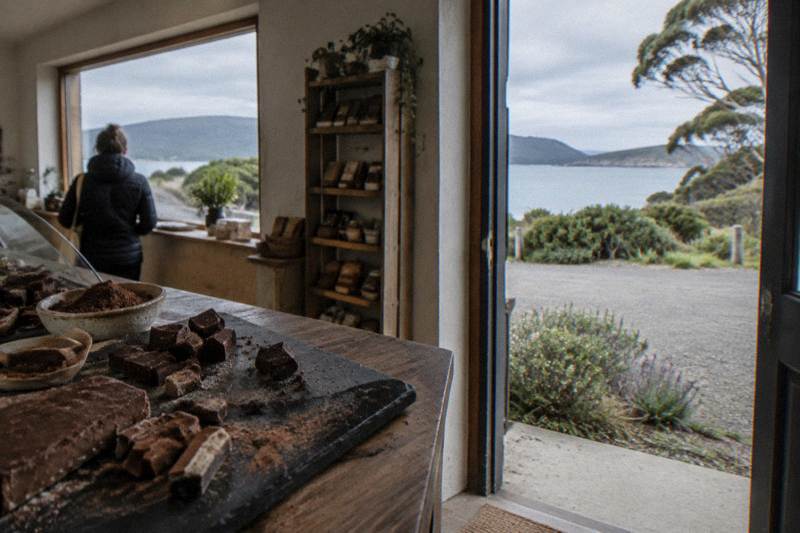
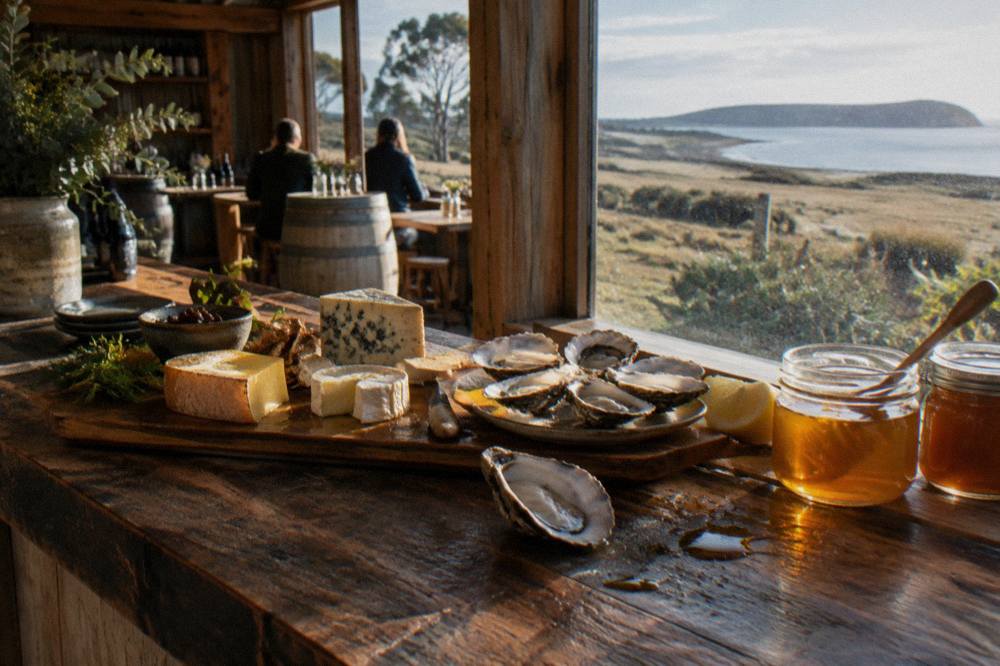
The food story is the part that surprises visitors most. This is an island of a few hundred residents that supports a cheese company with a national reputation, an oyster farm, a honey producer, a chocolate maker, a winery with a cellar door, and a whisky house. Bruny Island Cheese Co keeps its cellar door open from 10 am to 4 pm daily with its kitchen running to 3 pm, and its tastings run by booking. Get Shucked opens daily and needs no reservations. Bruny Island Premium Wines opens its cellar door seven days with lunch service daily. That density of producers within an hour of the ferry is rare anywhere in Australia, and it is the reason food-focused day tours dominate the island's tour market.
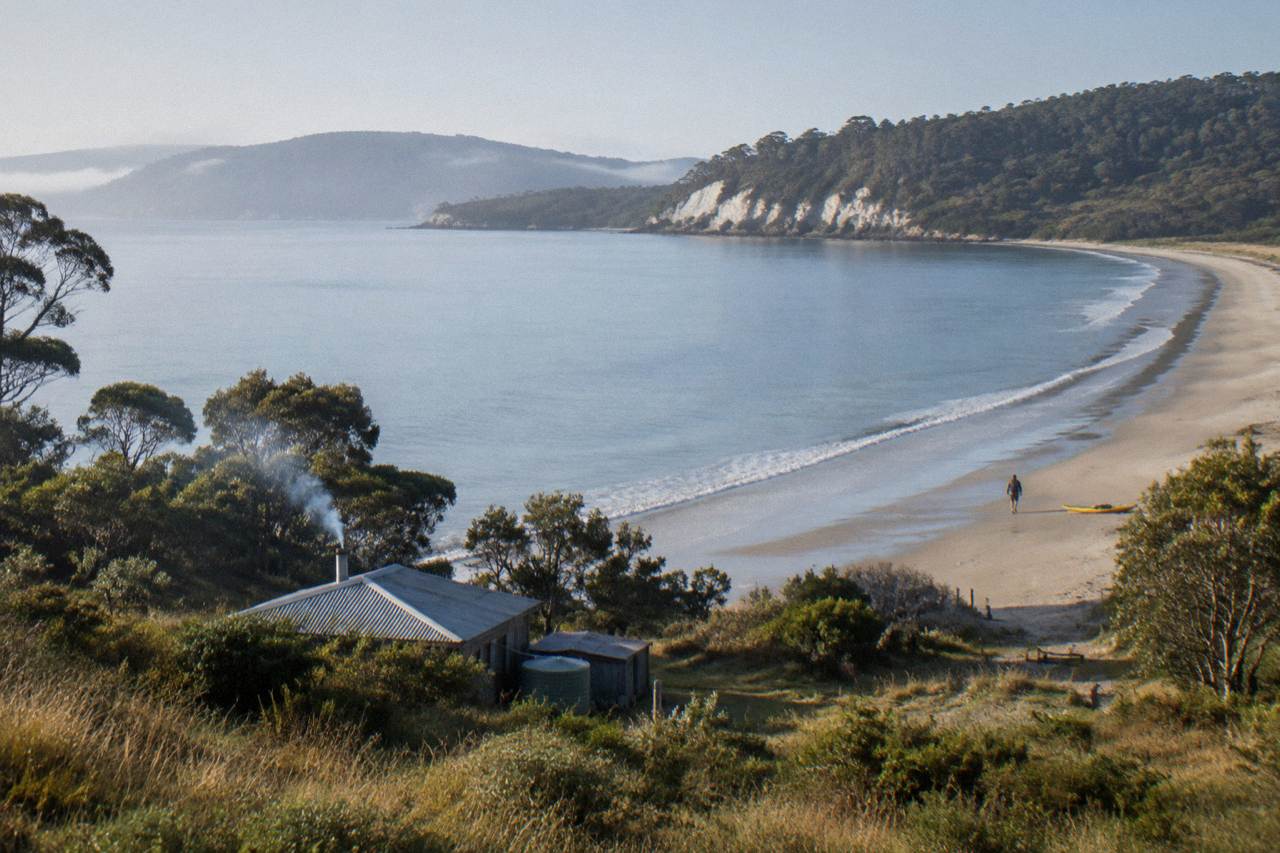
The coastal landscape is the second pillar. South Bruny National Park covers the island's southern half, and its signature features are steep dolerite cliffs, including those of Fluted Cape, and the Friars rocks off the south coast. The Fluted Cape Track is listed among Tasmania's 60 Great Short Walks, and the park page is candid about its character: it is steep and has unprotected cliff edges, so it suits reasonably fit walkers rather than everyone. Beaches around the island are unpatrolled. For travellers who judge a destination by its views-per-hour, the drive south from Adventure Bay to the lighthouse, then the climb itself, delivers as much as any route in the state.
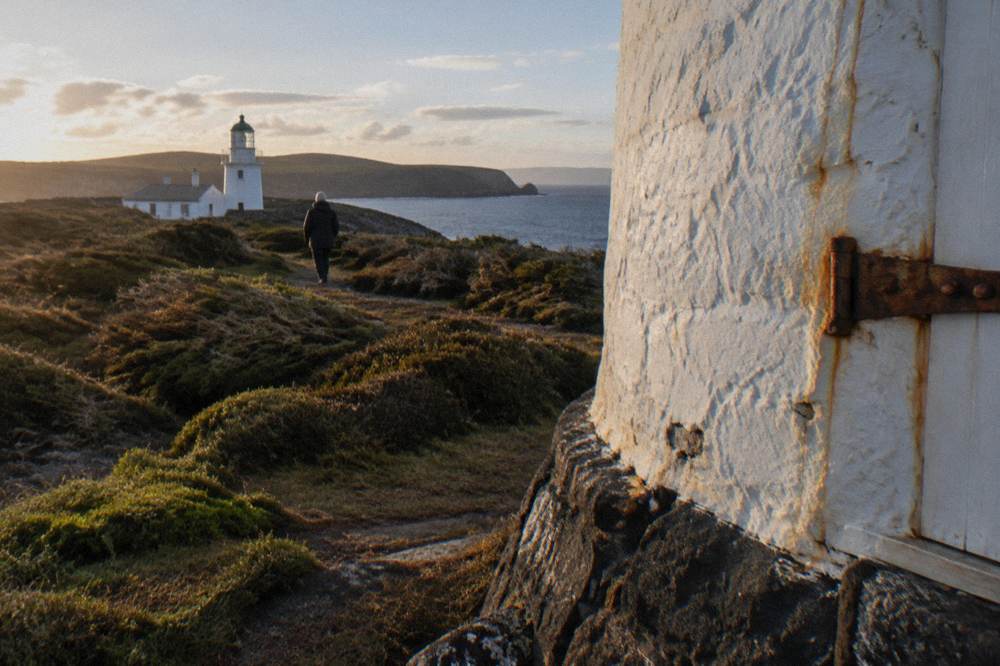
The third pillar is history you can stand inside. Cape Bruny Lighthouse operated from 1838 until it was last lit in 1996, and guided tours now run through the tower throughout the day, with sunset tours able to be arranged on request. The grounds are open at any time, with vehicle access from 9.30 am to 4.30 pm. A parks pass is required to enter the national park and the lighthouse, and tours require booking. The lighthouse sits about 1 hour 15 minutes from the ferry terminal at Roberts Point, which is itself a scenic drive through most of the island's southern half.
Should the full-day food-and-sightseeing format appeal, the Pennicott Gourmet Tasting Day runs 9.5 hours from Hobart, includes the ferry crossing, tastings of fudge, honey, mead, cheese and ale, and a beachside lunch at Pennicott's own restaurant, from A$290 per person with a 4.8 rating from 581 reviews. One guest review on the listing captures the format well: "Had the best day taking in the sights of Bruny Island with guide Louis. He was informative and had a great knowledge of the island. The food was spectacular and overall a great day." Another reads, "Wonderful trip all around Bruny. Dan was an excellent guide and had genuine rapport with the operators who were all happy to see us and him. Made for a lovely day out."
Is The Wildlife On Bruny Island Actually Good?
Yes, and the strongest evidence is the Parks and Wildlife Service Tasmania page for South Bruny National Park, which lists about 120 bird species recorded on the island, little penguin and short-tailed shearwater colonies at The Neck, Australian fur seals around The Friars, and whales in the surrounding marine environment. The white variant of the Bennett's wallaby is seen feeding in paddocks near the Fluted Cape entrance at dusk. These are resident or regularly present animals, not one-off sightings, though no sighting can be promised on any given day.
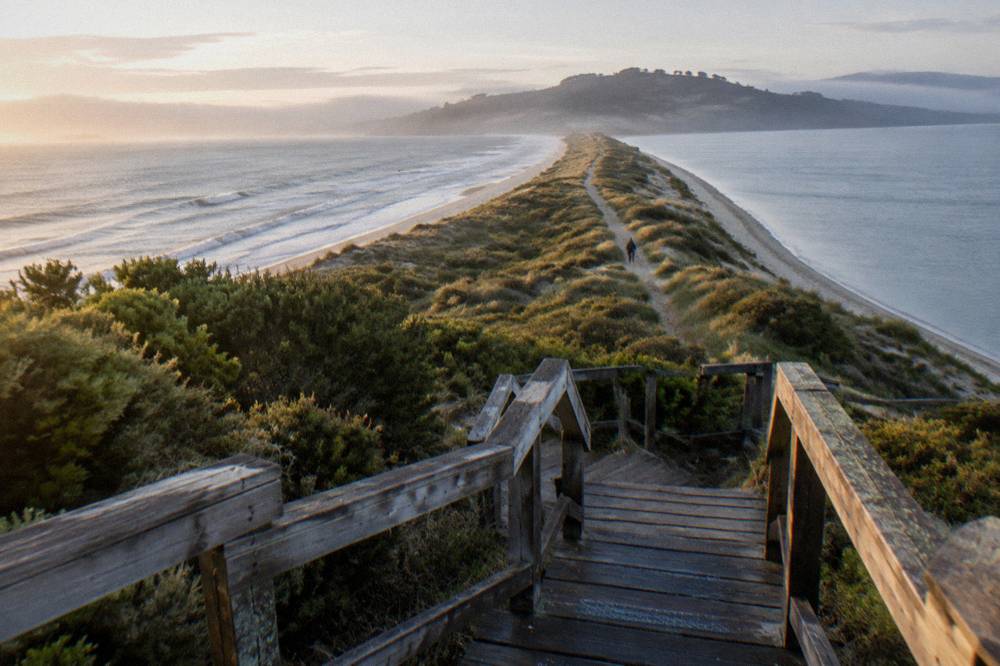
The Neck is the island's signature wildlife moment. A viewing platform at the Bruny Island Neck Conservation Area is the official place to watch little penguins and shearwaters at dusk, and the state's penguin watching guidelines are specific about how to do it without harm: the birds come ashore at last light, only dim red-light torches should be used and never pointed at the water or the birds, flash cameras are banned on the beach, and visitors should approach from the land, stay quiet and keep out of the colony. Shearwaters visit to nest from late spring to late summer. It costs nothing to stand on the platform, which makes it one of the island's genuine free experiences alongside the walking tracks, as our guide to free things to do on Bruny Island sets out, with the honest note that the ferry and parks pass are not free.
At sea, the wildlife shifts to seals, dolphins, seabirds and, at times, whales. The three-hour wilderness cruise from Adventure Bay, operated by Pennicott Wilderness Journeys, spends its time along exactly the coastline the park page describes, looking for seals, dolphins and sea birds from an open-air boat, and it carries a 4.8 rating from 632 reviews from A$190 per person for the cruise-only option. One guest review on the listing reads: "Great tour, weather was great, got my thrill ride with all the big waves, got to see wildlife and awesome scenery would highly recommend." That last clause deserves a caveat: weather and wildlife decide each sailing, and no operator can promise either, so treat wildlife as a strong possibility rather than a guarantee.
For walkers who want wildlife and landscape combined rather than a boat, the small-group hike-and-taste day is a different route to the same coast. It runs to a maximum of 15 guests, hikes to the Arch and up stairs to 360-degree views, then finishes with producer tastings, all from A$169 per person.
A quick way to compare the three main wildlife angles:
| Experience | Where | What the official pages list | Cost on the roster |
|---|---|---|---|
| The Neck viewing platform | Bruny Island Neck Conservation Area | Little penguin and shearwater colonies, viewed at dusk | Free to visit |
| Three-hour wilderness cruise | Adventure Bay departure | Seals, dolphins and sea birds along the dolerite coast | From A$190 per person, cruise only |
| Fluted Cape area at dusk | Near South Bruny National Park entrance | White variant of the Bennett's wallaby feeding in paddocks | Free to visit |
Who Should Skip Bruny Island?
Skip Bruny Island if you have less than a full day, since the ferry queue and winding rural roads leave little time to actually enjoy it. You should also look elsewhere if you expect nightlife or shopping, or if your trip is built around guaranteed wildlife sightings rather than sightings you may simply hope for. The island has one fuel outlet, at Adventure Bay General Store, no ATM, and no town centre in the mainland sense. It is a food-and-nature destination, and travellers expecting a resort island consistently leave disappointed, which is the honest reading of the value question rather than the brochure one. None of that makes it a bad destination, it makes it a specific one. Since food planning matters so much on an island with no supermarket, our guide to shopping and stocking up on Bruny Island explains exactly what the two general stores sell and when you should bring supplies with you.
Time is the most common failure point. The ferry crossing is only 20 minutes, but the full loop from Hobart, with the 35 to 40 minute drive to Kettering each way, the crossing, and the drive to the lighthouse at about 1 hour 15 minutes from the ferry terminal, adds up. A comfortable independent circuit is a 10-hour day door to door. Visitors who give the island four hours see the ferry and The Neck and little else. If your Tasmania itinerary only has a spare morning, the honest advice is to spend it in Hobart and save Bruny for a trip with a full day attached. Our longer treatment of the timing question sits in how many days you need on Bruny Island.
The second group who should skip it are travellers whose priorities are indoor attractions, evening entertainment or retail. Bruny's attractions close with the daylight. The Cheese Co kitchen finishes at 3 pm, the lighthouse grounds close to vehicles at 4.30 pm, and the penguins arrive after dark. Between 5 pm and dusk, the island offers scenery and not much commerce. Visitors based in Hobart who want restaurants, museums and a nightlife scene should treat Bruny as a day trip and sleep in the city, which is exactly what the multi-day and single-day tours from Hobart are built around.
The third group is anyone who will measure the trip by a specific animal. Penguins come ashore at last light, shearwaters nest from late spring to late summer, seals are resident around The Friars, and whales pass through the marine environment, but every one of those facts comes with the implicit clause "when conditions allow". A traveller whose entire day is ruined by missing a penguin should budget for the food and the coast, and treat any wildlife as a bonus. That framing is not a hedge, it is what the park's own pages support.
How Much Does A Bruny Island Day Actually Cost?
A self-drive day costs from A$50.90 Saver to A$67.30 peak Regular in ferry fare for a standard vehicle, depending on the season and fare option, plus a A$49.15 daily parks pass per vehicle if you enter the national park, while guided full-day tours from Hobart run from A$180 to A$290 per person with the ferry and, on several listings, the parks pass included. The cheapest lighthouse-only experience is the 30-minute guided climb at from A$25 per person. Those are roster and operator figures, not estimates, and they frame the value question precisely.
Here is the honest cost picture for the main formats:
| Format | Example from the roster | Price | Includes |
|---|---|---|---|
| Self-drive day | Own vehicle on the ferry | Vehicle fare A$58.60 to A$67.30 return, passengers free | Ferry only; parks pass separate |
| Budget guided day | Tassie Tours full-day guided tour, 4.7 from 938 reviews | From A$180 per person | Hotel pickup, ferry, Parks Pass; food extra |
| Food and sightseeing day | Pennicott Gourmet Tasting Day, 4.8 from 581 reviews | From A$290 per person | Ferry, tastings, beachside lunch |
| Cruise only | Three-hour wilderness cruise, 4.8 from 632 reviews | From A$190 per person | Cruise only; Hobart bus priced separately |
| Lighthouse climb | Guided Cape Bruny Lighthouse tour, 4.9 from 316 reviews | From A$25 per person | 30-minute guided climb; pass and transport not included |
The ferry deserves its own note because it is the one cost every visitor pays or has bundled. All tickets are return fares valid 365 days, and pre-purchased tickets are for the next available ferry rather than a specific departure, because the service runs on a queueing system. Departures run every 20 minutes from 6.10 am to 7.00 pm from Kettering, 365 days a year. The crossing itself is 20 minutes. Full detail on fares and timing is in our guide to the Bruny Island ferry.
On the guided side, the value comparison favours the mid-priced days for most first-time visitors. The budget Tassie Tours day at from A$180 covers pickup, the ferry, live commentary and the National Parks Pass, with food paid separately; one guest review notes, "The tour guide,Skye was amazing.She was polite,clear instructions, informative and accommodating. The tour went very smoothly from picked up to delivery back.I cant choose 1 great spot as it was all different the whole day from barge ride to pub lunch to lighthouse,Forrest walk to chocolate shop.The scenery was just magnificent, a must if you are visiting Hobart!!" The Pennicott Gourmet day at from A$290 adds tastings at five producers plus lunch. At the premium end, a private eight-hour driver-guide runs from A$991 per group for up to four, which is the vehicle price rather than a per-seat fare, and the six-guest signature tasting day runs from A$360 per person with a rating of 5 from 9 reviews, a small pool worth noting for what it can and cannot tell you. Whichever tour tier you pick, the practical question of whether a single day is enough is answered in our guide to fitting Bruny Island into one day from Hobart.
What Is The Best Way To See Bruny Island In One Day?
For most first-time visitors the best single day is a guided full-day tour from Hobart, because it solves the ferry, the driving, the parks pass and the producer bookings in one booking, and the roster's guided days run from A$180 to A$290 per person. Independent travellers with a car and a full day can match that itinerary themselves, but only if they accept a 10-hour day of navigation and queuing, and a winter or shoulder-season visit needs shorter daylight factored in.
The itinerary logic is simple whether you drive or ride. The island runs north to south: the ferry lands at Roberts Point on the north island, The Neck sits at the midpoint, and Adventure Bay, the producers and the lighthouse spread across the southern half. A sensible order is producers on the way south, lunch mid-island, The Neck lookout on the return, and the lighthouse either before or after lunch depending on tour times, which require booking. The official page for the park is the place to check conditions before any walk, via the Parks and Wildlife Service Tasmania alerts page, because track conditions change and no named sight can be promised open on a given day.
For visitors who want the lighthouse with the driving handled, the small-group lighthouse day is the strongest fit on the roster: a 10-hour day from Hobart with hotel pickup, a guided tour inside Cape Bruny Lighthouse, oysters at Get Shucked, chocolate and honey tastings, a one-course lunch at Hotel Bruny, the return ferry and the Parks Pass, for up to 20 guests, from A$280 per person and rated 4.8 from 1003 reviews, the largest review pool of any full-day option listed here.
Weather belongs in any one-day plan. The Bureau of Meteorology's Cape Bruny station records a mean maximum of 20.2 degrees in January and February, falling to 12.2 in July, with mean rainfall peaking in August at 85.7 mm and at its lowest in January at 39.3 mm. In practical terms, summer days are mild rather than hot, winter days are cold on the water and at the lighthouse, and rain is possible in every month, so layering and a waterproof are standard advice for any Bruny day regardless of season. The Bureau of Meteorology Cape Bruny climate averages carry the full monthly table for anyone planning around specific months.
For a broader look at what the island offers beyond a single day, see our guide to things to do on Bruny Island, which breaks the options out by interest.
The Verdict: Is Bruny Island Worth Visiting?
Bruny Island is worth visiting for travellers who want food producers, a wild coastline, a climbable 1838 lighthouse and free-to-watch wildlife in one compact day, at a cost of from A$58.60 to A$67.30 in vehicle ferry fare or A$180 to A$290 for a fully guided day. It is not worth visiting for anyone with less than a full day, anyone expecting nightlife or guaranteed animal sightings, or anyone unwilling to spend time on rural roads and a ferry queue. That is the whole honest answer, and it has held steady across every season the island's listings have been running.
What tips most visitors from "maybe" to "yes" is that the island's four attractions reinforce each other rather than competing. The drive to the lighthouse passes the producers; the cruise departs from the beach where the hike starts; the penguin platform is on the road home from everything. Very few destinations let a traveller stack a cheese tasting, a sea-cliff cruise, a lighthouse climb and a penguin vigil into one daylight-to-dark run without any leg longer than an hour. Bruny does, and the ferry queue is the price of admission.
Whether you go guided or drive yourself, the practical first steps are fixed: check the Island Connections Bruny Island ferry page for fares and the current timetable, and book the lighthouse tour ahead if it is on your list. For most travellers, one of the three formats below covers the whole day cleanly.
Common Questions About Bruny Island
Is Bruny Island Worth Visiting?
Yes, for most travellers. The island combines food producers, the coastline of South Bruny National Park, the climbable 1838 Cape Bruny Lighthouse, and wildlife including penguins at The Neck and seals around The Friars, all within a 20-minute ferry of the mainland. It rewards a full day and suits food and nature travellers best.
How Do You Get To Bruny Island From Hobart?
Drive 35 to 40 minutes from Hobart to Kettering, then take the Island Connections ferry, a 20-minute crossing that runs every 20 minutes from 6.10 am to 7.00 pm, 365 days a year. All passengers travel free with a vehicle; the vehicle pays the fare. Guided tours from Hobart include the ferry.
What Is The Best Time Of Year To Visit Bruny Island?
January and February are the warmest months with a mean maximum of 20.2 degrees and the lowest mean rainfall, 39.3 mm in January against 50.9 mm in February. Shearwaters nest from late spring to late summer, which is also the peak season for the wildlife at The Neck. Winter is colder and wetter but the island stays open year round.
Can You See Penguins On Bruny Island?
Yes, little penguins and short-tailed shearwaters come ashore at dusk at the Bruny Island Neck Conservation Area viewing platform. The official guidelines ask visitors to arrive for last light, use only dim red-light torches, never use flash cameras, approach from the land and stay quiet. No exact season months are published for The Neck.
Do You Need A Car On Bruny Island?
A car gives the most freedom, but guided day tours from Hobart from A$180 per person include the ferry and cover the producers, the lighthouse and the main lookouts without one. There is no island car hire scene to speak of, and the distances between the ferry, the producers and the lighthouse make walking impractical as a plan.
How Much Does A Day On Bruny Island Cost?
Self-driving, budget from A$58.60 to A$67.30 for the vehicle ferry return plus A$49.15 per vehicle for a daily parks pass if you enter the national park. Guided full days from Hobart run from A$180 to A$290 per person, and the 30-minute lighthouse climb alone is from A$25 per person.